- Accepts Etsy gift cards
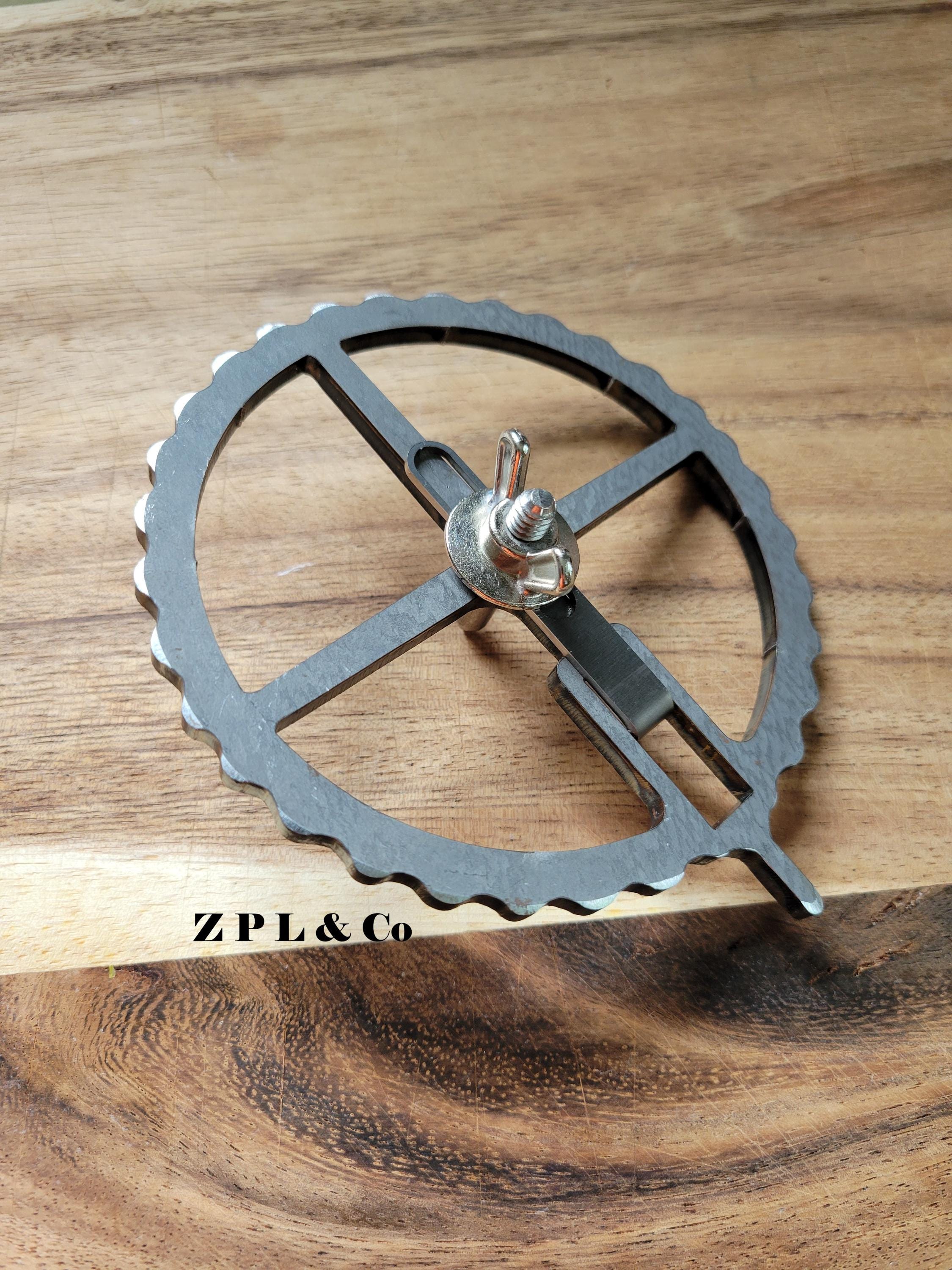
Step back into the late 1800s with this faithful, hand-crafted replica of Hopper’s Patent Can Opener — a fascinating piece of ingenuity from a time when canned food built mining camps and boomtowns, and tools were built to last generations.
This piece is proudly made in the USA using traditional metalworking methods and materials chosen to capture the spirit and feel of the original design. With its rugged, industrial form and unmistakable antique character, it makes a striking conversation starter in any kitchen, workshop, or historical collection.
A Piece of Culinary History
Before modern rotary can openers became commonplace, early designs like this required patience, curiosity, and a bit of experimentation. This replica celebrates that era of invention and the inventive minds who helped transform everyday life. It’s a tactile reminder of how far everyday tools have come.
Perfect For
• Historical collections and curiosity cabinets
• Kitchen decor and farmhouse displays
• Gifts for history lovers, blacksmithing enthusiasts, and collectors
• Conversation pieces for cooking spaces or workshops
• Reenactment, educational display, or museum-style presentation
Important Notes (Please Read)
This item is sold as a historical novelty and replica tool. While it is crafted from durable materials and closely follows the original design, it is not guaranteed to perform like a modern can opener. Early can-opening technology was primitive by today’s standards and often required technique, patience, and trial-and-error.
By purchasing, the buyer acknowledges:
• This is a replica of an early historic tool
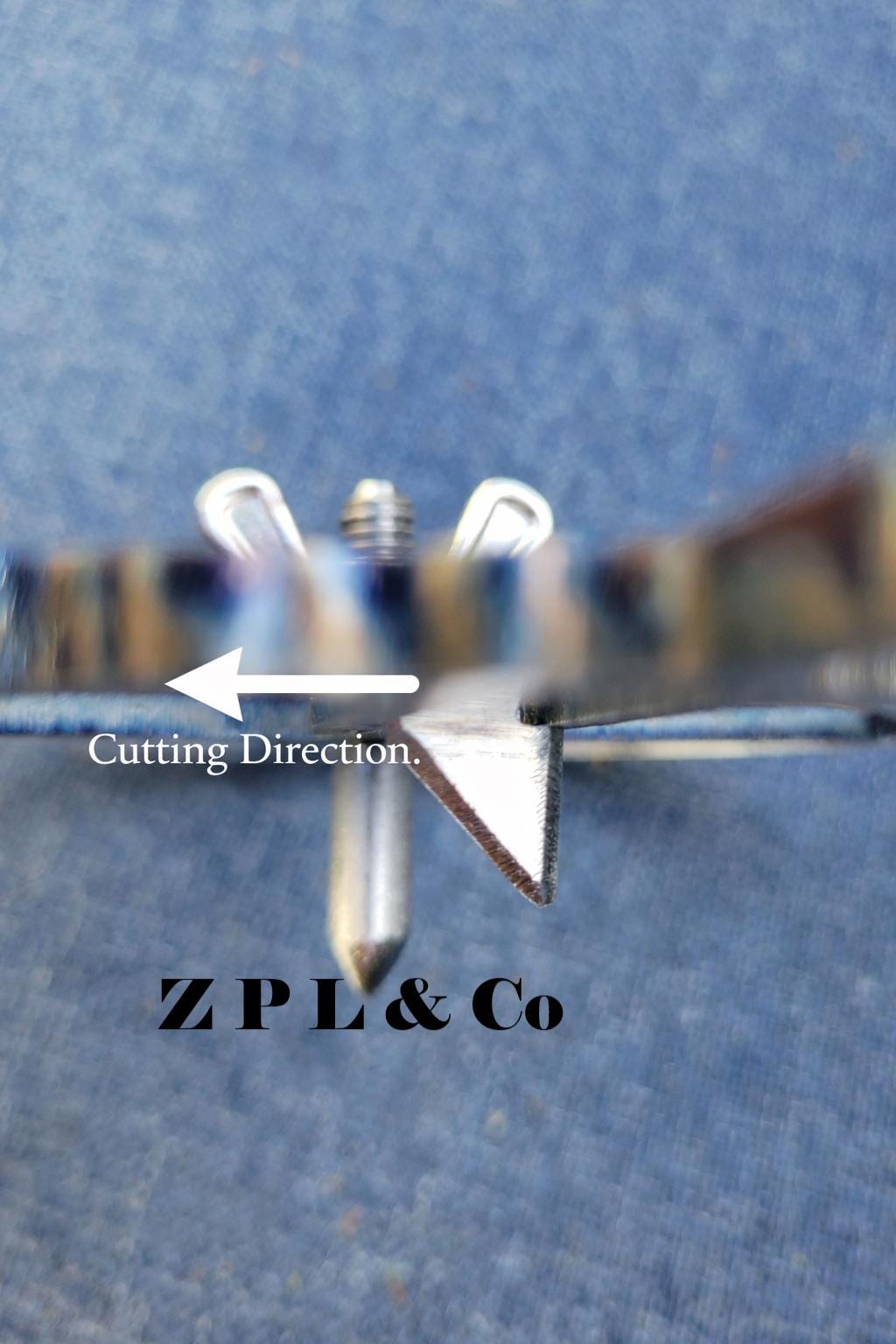
• The cutting blade has a "factory edge" and may require sharpening
• Functionality may vary depending on the type of can and user technique
• The seller cannot guarantee performance or accept responsibility for use outcomes
• This item is intended primarily for display, collection, and historical appreciation
Built With Care
Each piece is individually made, giving it subtle variations and character that mass-produced items simply can’t replicate. Expect small marks and finish differences that add authenticity and tell the story of how it was made.
Own a small piece of culinary and industrial history — a tool from the dawn of canned food, recreated for the modern world.